150+ Free Printable Coloring Pages for Kids (2026)
Free coloring pages for kids that build real skills. Find 150+ printable designs by age and theme, plus tips to make every session count.
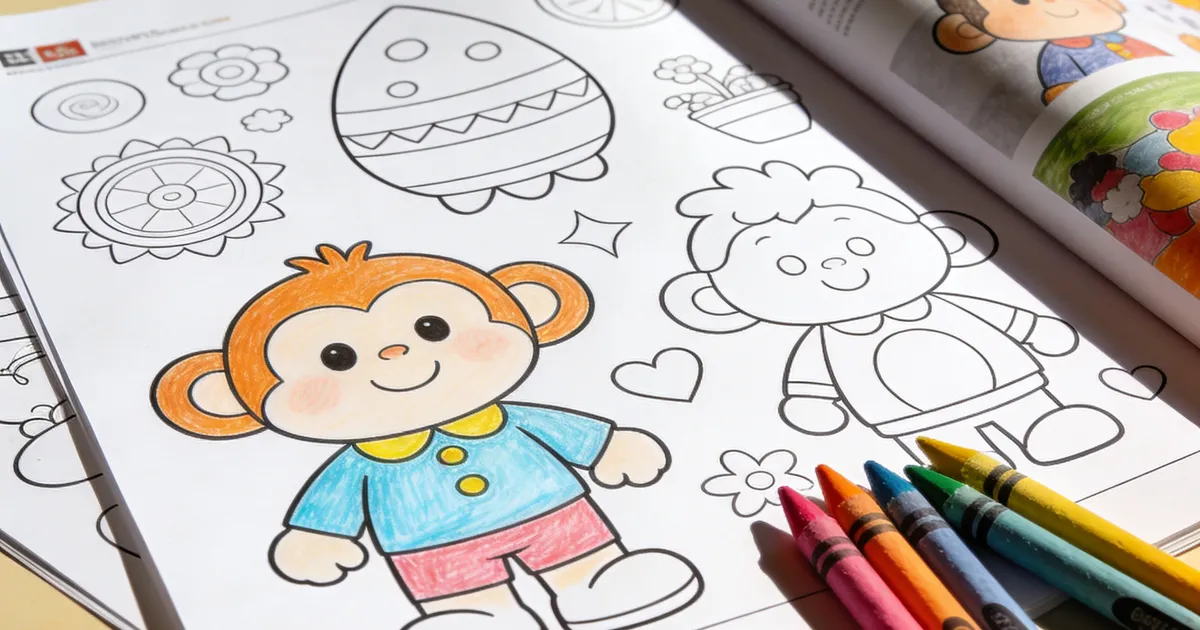

150+ Free Printable Coloring Pages for Kids (2026)
Your 4-year-old just handed you a crumpled purple horse and announced it's a dinosaur. Sound familiar? That little drawing moment — messy table and all — is doing more for their brain than most educational toys on the market.
Browse all coloring pages at Koloring.ai and you'll find 149+ free designs built for exactly this kind of everyday magic.
Why Coloring Is Secretly a Brain Workout
When your child picks up a crayon and stays inside (or gloriously ignores) the lines, their brain is firing on multiple cylinders at once. Fine motor control, color recognition, focus, and creativity are all being trained simultaneously — without any screen time required.
The National Association for the Education of Young Children lists drawing, scribbling, and using crayons as core activities for building the small-muscle coordination kids need before they can write. This isn't fluff — it's the developmental groundwork for holding a pencil, buttoning a shirt, and tying a shoelace.
And according to Zero to Three, early art experiences support hand-finger control, problem-solving, and symbolic thinking — all critical skills for the transition to school. The unexpected part? It's the process that builds the brain, not the finished product. A scribbled mess is as valuable as a careful masterpiece.
Unexpected tip: Skip the table. Tape a coloring page to a low wall and let your child color vertically — it builds the wrist extension muscles that are especially important for handwriting later.
Matching the Right Page to the Right Age
Not all coloring pages are created equal, and picking the wrong complexity level is the fastest way to turn excitement into frustration. Here's a quick guide:
Ages 2–4 (Toddlers and Preschoolers): Start big and bold. Thick outlines, simple shapes, and familiar subjects keep little hands from getting overwhelmed.
- Cat coloring pages — try the Mama Cat with Three Tiny Kittens for its large, clear sections
- Dog coloring pages — the Puppy in Basket has chunky outlines perfect for beginners
- Dinosaur coloring pages — the Friendly T-Rex Playing with a Ball is joyful and not the least bit scary
Ages 5–8 (Early Elementary): Kids this age are ready for more detail and narrative. They want pages that tell a story.
- Princess coloring pages like the Princess in a Castle Tower spark imaginative play alongside coloring
- Dragon coloring pages — the Dragon Flying Over a Medieval Castle is a favorite for kids who love fantasy
- Space coloring pages pair brilliantly with a conversation about planets
Ages 9–12 (Tweens): Older kids often gravitate toward detail-heavy designs that feel like a real challenge.
- Mandala coloring pages offer intricate geometry that doubles as a mindfulness activity
- Kawaii coloring pages — cute, big-eyed characters that are a guaranteed hit with kids
- Butterfly coloring pages like the Monarch Butterfly with Detailed Wings reward patience and precision
Unexpected tip: Let your child choose the page — always. Research from Zero to Three shows that following your child's lead during play builds self-direction and confidence, not just creativity. A page they picked themselves gets colored. One you picked often gets abandoned.
How to Turn Coloring Time Into Learning Time (Without It Feeling Like School)
The best coloring sessions are the ones where your child doesn't realize they're learning anything. All you need is a few questions and a little curiosity.
Free printable coloring pages and creative ideas, straight to your inbox.
No spam. Unsubscribe anytime.
With nature themes like flower coloring pages or bird coloring pages, ask: "What color do you think a real sunflower is? What about the bees visiting it?" The Sunflower Garden with Bees naturally opens a conversation about pollination — and your child will remember it because they were holding a crayon when you talked about it.
With fantasy themes like fairy coloring pages or unicorn coloring pages, encourage storytelling. Ask: "Where is this fairy going? What's her name?" The Fairy Sitting on a Mushroom in a Forest has become a whole bedtime story in more than a few households.
With seasonal themes like Halloween coloring pages or Christmas coloring pages, tie the coloring to real upcoming events. Print the Friendly Ghost Floating Over a Pumpkin Patch in October and hang it on the fridge — your child gets a sense of time passing and something to look forward to. Unexpected tip: Read a picture book first, then pull up a matching coloring page. The narrative context makes kids color with more intention and detail — they're not just filling shapes, they're illustrating a story they care about.
Beyond Crayons: Coloring in the Digital Age
Koloring.ai isn't just a printables library — it offers tools that meet kids where they actually are. The color online tool lets kids color digitally on any device with no mess, no lost caps, and no crayon-on-the-wall incidents (we've all been there). This is especially useful for travel, waiting rooms, or rainy day car trips.
For something truly next-level, the Camera Trace & Sketch feature projects coloring pages into your real-world space — kids can see their artwork come alive around them. It's the kind of feature that makes a Tuesday afternoon feel like a special event.
And if your child has a specific idea — a purple dinosaur wearing a hat, a mermaid with a pet crab — the AI coloring page creator lets them describe it and get a custom page generated in seconds. This takes ownership of their artwork to a whole new level, and the creative confidence it builds is very real. Pro users get unlimited access to all these tools via Go Pro.
Unexpected tip: After your child colors a custom AI-generated page, ask them to give the character a name and three facts about them. This oral storytelling exercise is a powerful early literacy skill — and it started with a coloring page.
FAQ: What Parents Actually Ask
Does coloring really help with handwriting?
Yes, and more directly than most parents expect. Gripping a crayon, applying controlled pressure, and staying within boundaries all train the same fine motor pathways used in handwriting. Studies show coloring significantly improves fine motor scores in preschoolers aged 3–6 — the exact window when these skills are most rapidly developing. The NAEYC specifically recommends drawing and scribbling with crayons as a core pre-writing activity.
How long should coloring sessions be?
There's no magic number — follow your child's attention span, not the clock. For toddlers, 5–10 minutes is completely normal and productive. Older kids may stay engaged for 30–45 minutes, especially with a complex design like a mandala coloring page or a detailed ocean coloring page. The key is stopping before frustration sets in, so the next session starts with enthusiasm.
My child just scribbles all over the page. Should I correct them?
Please don't. Zero to Three is clear that scribbling is a legitimate and important developmental stage — it's how children build control before precision. Correcting or guiding their hand sends the message that their natural expression is wrong, which can dampen creative confidence for years. Celebrate the scribble. Hang it on the fridge. Ask what it is. The "staying inside the lines" stage comes naturally, and much sooner when kids feel safe to experiment.
Ready to find the perfect page for your child today? Head over to koloring.ai/coloring-pages/ — 149+ free designs, zero signup required, and a guaranteed purple dinosaur somewhere in the mix.
Free printable coloring pages and creative ideas, straight to your inbox.
No spam. Unsubscribe anytime.