Easy Coloring Pages for Beginners
By Koloring Editorial Team
Easy coloring pages use bold 2pt outlines and simple shapes to help toddlers and young children color without frustration. This guide covers age-appropriate themes, printable vs. digital options, and practical tips for supporting a beginner’s first coloring experiences.
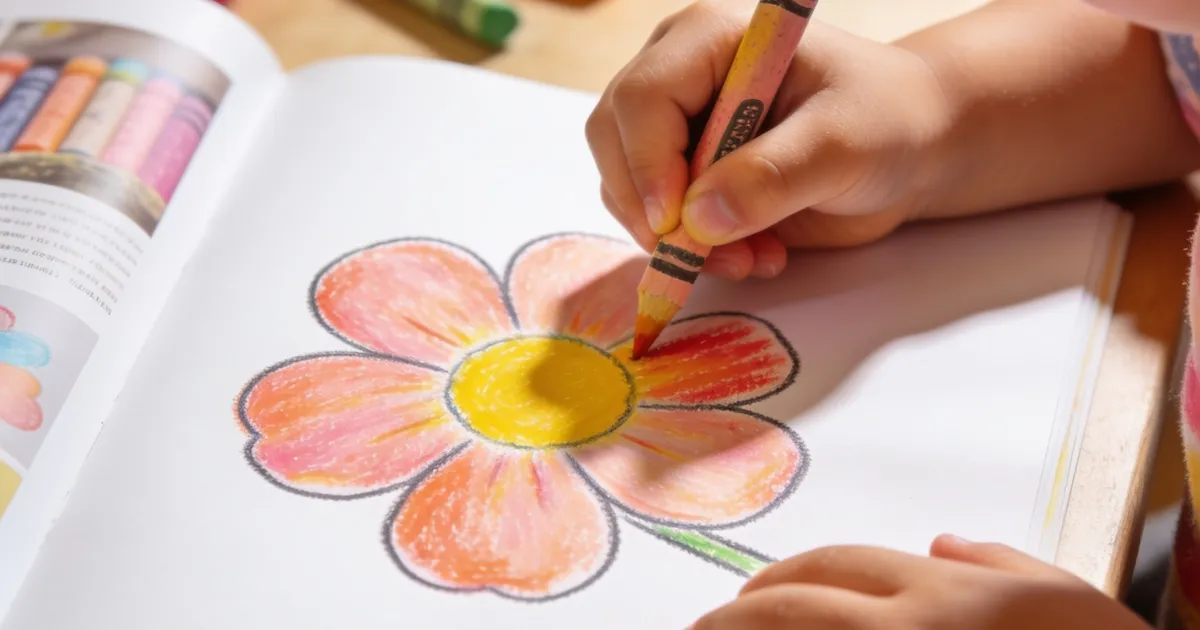

Easy coloring pages are simple outlines with thick 2pt lines, large shapes, and minimal tiny details — perfect for young children still building fine motor control. A page like “Alphabet with Animals” uses bold, uncluttered drawings that help a 3-year-old stay inside the lines without frustration. These pages turn coloring into a confidence-building activity, not a chore.
What Makes a Coloring Page “Easy”?
A page labeled “easy” strips away the small, fiddly spaces that make coloring stressful for beginners. The outlines are thicker — often 2pt or more — so a chunky crayon or marker can fill the area without constantly crossing the border. The shapes are big and recognizable: a single star, a large heart, a smiling sun.
You won’t find intricate mandalas or tiny butterfly wings in this category. The best easy pages have no more than 3–5 major elements, giving little hands space to scribble, press hard, and make mistakes without ruining the picture. Many of the free printable coloring pages for kids on koloring.ai sort by difficulty, so you can filter directly to “easy” and skip the guesswork.
A practical tip: look for pages where the background is almost completely empty. An isolated subject — like the Baby Penguin Standing on an Ice Block — keeps attention on the main shape and eliminates the overwhelm that comes with busy scenes.
What Age Should Kids Start with Easy Coloring Pages?
Most children can start using easy coloring pages around age 2 to 2½, as soon as they can hold a crayon with a palmar grasp. At that stage, the goal isn’t neatness — it’s simply dragging color across a surface. A page with a single, large object like the Cute Baby Unicorn Sitting on a Cloud works beautifully because the child can scribble across the whole image and still feel successful.
Between 3 and 4, the palmar grasp shifts toward a tripod grip, and children start trying to color specific areas. This is when easy outlines really shine. According to Scholastic, coloring and drawing improve fine motor skills, encourage focus, and nurture creativity — and the right page keeps that experience positive. If a child is constantly frustrated by complex designs, they’re more likely to abandon coloring altogether.
By age 5, many kids can handle medium-difficulty pages, but easy pages remain useful for quick art sessions, travel, or when a child is tired. The coloring pages for toddlers guide has a full breakdown of age-appropriate selections.
The Best Tools for Easy Coloring Pages
Young colorists need tools that match their grip. Chunky triangular crayons or jumbo washable markers are ideal because they’re easy to hold and make broad marks that fill large spaces quickly. Avoid fine-tip markers or colored pencils with hard leads — they require too much precision and can tear the paper.
For the smoothest experience, print easy pages on cardstock or at least 24lb paper. Thicker paper doesn’t wrinkle when wet markers are used, and it’s more forgiving of repeated erasing when a child wants to “fix” a mistake. If you’re coloring digitally, the color online tool lets kids use a bucket-fill feature that stays perfectly inside the lines — great for showing a child what success looks like before they tackle a physical page.
Best Themes for Easy Coloring Pages
Stick with themes where the main subject is a single, familiar object. Animals, vehicles, and simple shapes work best. The Alphabet with Animals (A-Apple, B-Bear style) page combines letter recognition with a large, easy-to-color animal — two wins in one activity.
Holiday and seasonal pages are another favorite. A page like the Big Heart with Flowers Growing Inside is essentially a large heart outline with a few simple flowers, perfect for Valentine’s Day or Mother’s Day. The key is to avoid anything with backgrounds that demand multiple colors or fine motor switches.
Free printable coloring pages and creative ideas, straight to your inbox.
No spam. Unsubscribe anytime.
If you’re looking for variety, browse the full easy coloring pages collection. It’s filtered by difficulty, so every page you see is already suited to little hands.
How to Print and Use Easy Coloring Pages at Home
Printing is straightforward, but a few small tweaks make the activity run smoother. Always print at 100% scale — reducing the size makes the spaces smaller and harder to color. Use the “draft” quality setting if you want to save ink; the thick outlines still print clearly.
Many parents find that printing 3–5 copies of the same easy page is a smart move. A child can color the same unicorn multiple times, experimenting with different colors each round, without the pressure of getting it “right” the first time. You can also turn a single page into a quick matching game: color one half, and let the child complete the other side.
For digital coloring, open the AI coloring page creator and generate a simple custom page based on your child’s current obsession — whether it’s a dump truck, a cupcake, or a particular animal. A personalized page often holds attention longer than a generic one.
Digital vs. Printable Easy Coloring Pages: Which Works Better?
Both have a place, and the choice often comes down to context. Printable easy coloring pages are unmatched for developing physical grip strength, hand-eye coordination, and the sensory feedback of crayon on paper. They’re also screen-free, which matters for many families.
Digital coloring tools eliminate the frustration of going outside the lines. The color online bucket-fill feature lets a child tap to fill an area with color, building color recognition and confidence. It’s especially useful during travel, waiting rooms, or when a child is too tired for the fine motor demands of physical coloring.
A practical approach is to alternate: start with a digital version to build familiarity with the image, then hand over the printed page. This sequence helps a child mentally “preview” the coloring before they pick up a crayon, reducing the anxiety of a blank page.
Tips for Helping a Frustrated Beginner
Many young children get upset when they color outside the lines. A simple fix is to hold the paper steady with a piece of painter’s tape on the back, so it doesn’t slide around while they color. This small adjustment often eliminates half the struggle.
Another effective technique is to color alongside your child on your own copy of the same easy page. When you purposely go outside the lines a little and say, “Oops, that’s okay, I’ll just keep going,” you model the kind of self-talk that builds resilience. Avoid rushing to “fix” their work — let their blue elephant stay blue, even if it’s not realistic.
If a child is truly stuck, try a page with a built-in cheat: the Cute Baby Unicorn Sitting on a Cloud has a cloud that’s essentially one large, forgiving shape. It’s almost impossible to fail.
Frequently Asked Questions
Can toddlers use easy coloring pages?
Yes — toddlers as young as 2 can start with easy coloring pages that have very thick outlines and a single large subject. Look for pages rated “easy” with an age range of 3–5, and offer chunky triangular crayons instead of markers. Scribbling outside the lines is completely normal; the goal is to associate coloring with a positive, low-pressure experience.
What are the best tools for easy coloring pages?
Chunky crayons, jumbo washable markers, and finger crayons are all excellent choices for easy coloring pages. Avoid fine-tip markers or standard colored pencils until the child has developed a steady tripod grip. For digital coloring, the bucket-fill tool in the color online feature lets children fill large areas with a single tap.
How do I keep a child interested in coloring?
Rotate themes frequently and introduce a new easy page every few days rather than offering a large stack at once. Use a child’s current interests — if they love trucks, print a monster truck page, or use the AI coloring page creator to generate a custom page featuring their favorite animal. Coloring together for 10 minutes, with no expectations, often reignites interest more than any reward.
When you’re ready to print, browse the full collection of easy coloring pages and let your child pick their first page — no signup needed.
Free printable coloring pages and creative ideas, straight to your inbox.
No spam. Unsubscribe anytime.