Coloring as Therapy — Benefits for Kids with Anxiety
By Koloring Editorial Team
Coloring therapy for kids transforms a simple childhood activity into a powerful tool for emotional regulation and focus. Short, guided coloring sessions help children process feelings, calm anxiety, and build attention — with no special training required. From mood-color prompts to silent coloring
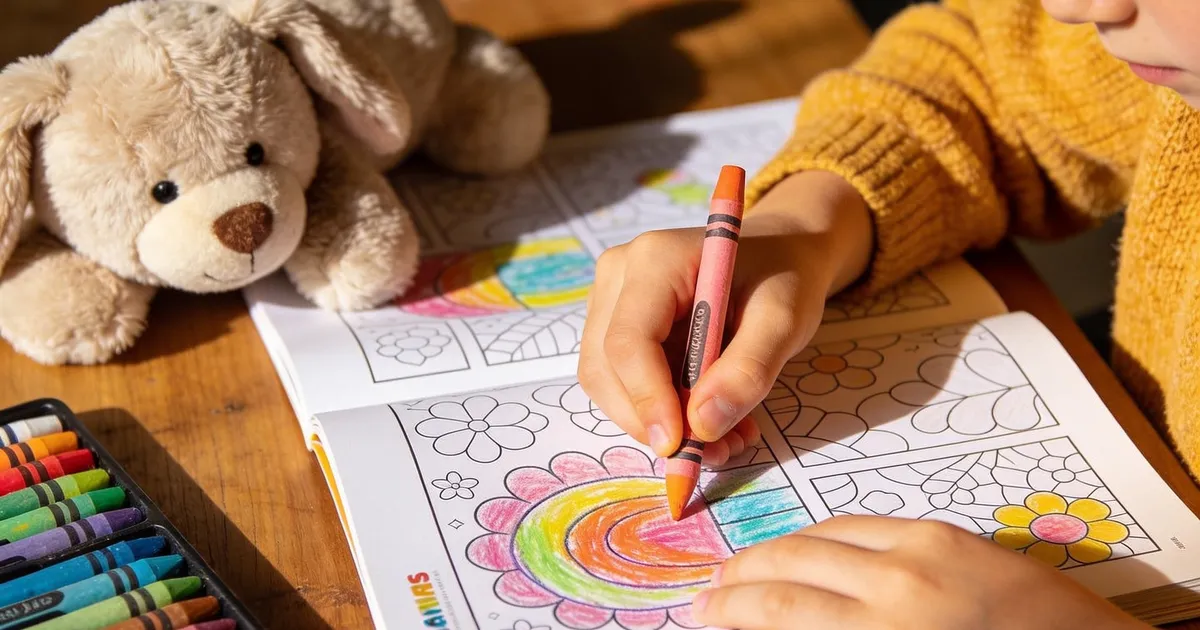

Coloring therapy for kids uses structured coloring activities to help children process big feelings, settle an anxious mind, and build sustained attention. A 15-minute coloring session can lower a child's physiological stress response and shift their mood from overwhelmed to calm. Here's how to make it work at home — and why it's one of the simplest emotional tools you already have.
What Is Coloring Therapy for Kids, Exactly?
Coloring therapy for kids is the deliberate use of coloring — often with specific themes, prompts, or sensory tools — to promote emotional regulation and mental focus. Unlike free play, therapeutic coloring invites a child to slow down, make choices about color and pressure, and stay with one activity long enough for the nervous system to reset.
You don't need a therapist's license to try it. The core mechanism is simple: repetitive, low-stakes creative work engages the same neural pathways that quiet the brain's stress response. A child who can't verbalize why they're upset can often color their way back to a grounded state in under 10 minutes.
Many parents discover this by accident. A frustrated preschooler gets handed a crayon and a page — and within minutes, the breathing steadies and the shoulders drop. That's coloring therapy in practice, no formal label required.
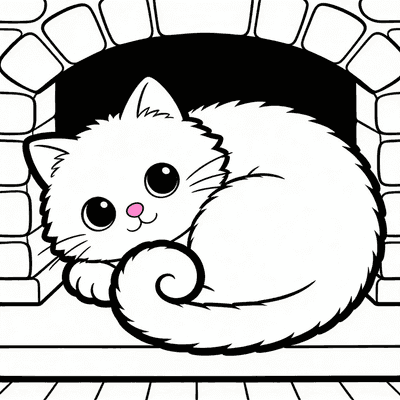
One approach that works across ages: offer a "mood color" prompt. Ask your child to pick one crayon that matches how they feel right now, fill a small shape with it, then pick a second color for how they'd like to feel. The shift in color choice often mirrors the emotional shift — and you get a conversation starter without a single probing question.
How Does Coloring Help with Emotional and Sensory Regulation?
Coloring gives children a safe, contained outlet for feelings they can't yet name. The physical act — gripping a crayon, pressing hard or soft, staying within or deliberately breaking the boundary — mirrors the internal experience of managing impulses and frustration.
According to Scholastic, coloring and drawing improve fine motor skills, encourage focus, and nurture creativity — all of which contribute to a child's ability to self-regulate. When fine motor control improves, children feel more competent. That quiet confidence reduces the frustration that often triggers meltdowns in younger kids.
Sensory regulation plays a role too. The feedback from crayon-on-paper — the drag, the sound, the faint waxy smell — grounds a child in the present moment. For kids who get overstimulated by screens or noisy environments, coloring acts as a sensory palate cleanser. The NAEYC frames development through "sensitive periods," and those windows are when sensory-rich, low-pressure art activities have an outsized impact on coordination and emotional growth.

A specific technique that helps: pair a coloring session with a feelings check-in. Print a page like the Big Heart with Flowers Growing Inside and ask your child to fill each flower with a color that represents something they felt that day — happy, nervous, left out, proud. You're not quizzing. You're giving them a visual language for what's inside.
Can Coloring Improve Focus and Mindfulness in Children?
Short answer: yes. Coloring demands a blend of attention and relaxation that few other activities replicate. The brain enters a state sometimes called "focused calm" — alert enough to stay inside the lines, relaxed enough to let thoughts drift without spiraling.
This is especially useful for children who struggle with transitions or sustained attention. A coloring warm-up between school and homework can act as a cognitive bridge. The hands stay busy while the mind processes the day. Many classroom teachers use coloring as a morning arrival ritual for exactly this reason — it settles the room without demanding academic energy.
For a focus-building exercise, try a five-minute silent coloring challenge. Each person at the table gets a page — something moderately detailed like the Geometric Mandala with Intricate Star Design — and no one speaks until the timer ends. Young children who've never sat still for five minutes often surprise themselves. The external structure of the timer plus the absorbing task creates a scaffolding for attention that gradually internalizes.
Digital tools can support this practice too. The color online feature uses bold 2pt outlines in its cartoon style, which makes bucket-fill coloring frustration-free for kids still building coordination. A child who gets discouraged by messy physical coloring can experience the same focus state digitally — and that success often builds willingness to try paper again.
Free printable coloring pages and creative ideas, straight to your inbox.
No spam. Unsubscribe anytime.
Mindfulness through coloring isn't about emptying the mind. It's about filling it with one thing — a single line, a deliberate color choice, the rhythm of a back-and-forth stroke. That's accessible to a three-year-old and valuable to a teenager.
Which Types of Coloring Pages Work Best for Therapeutic Use?
Not all coloring pages serve the same purpose. The best pages for coloring therapy for kids share a few traits: clear boundaries, manageable complexity, and imagery that invites emotional projection rather than rigid correctness.
Large, open shapes with thick outlines work best for young children still developing grip and control. The Cute Heart Family Holding Hands page gives a child emotional content to project onto — they can color each heart to represent family members and talk about it afterward, or not. Sometimes the therapy is silent.
For older children or those who need sensory anchoring, detailed pages with repetitive patterns — mandalas, nature scenes, structured geometry — provide a rhythmic, almost meditative experience. The Luna Sitting on Autumn Leaves with Pumpkins page merges familiar comfort imagery with enough detail to hold attention without overwhelming.
A guiding principle: match the page complexity to the child's current emotional state, not their skill level. An anxious child often needs simpler pages with fewer choices. A child who's angry may benefit from a page with defined sections they can attack with hard, fast coloring — the Monster Truck with Giant Flame Decals gives that physical release inside a safe boundary.
If you want to create pages tailored to your child's specific comfort objects or interests, the AI coloring page creator generates custom designs in seconds. A kid fixated on garbage trucks or a specific stuffed animal can color exactly what they're attached to. Familiar imagery calms the brain faster than generic designs.
Another underused approach: turn your child's own drawing into a coloring page with the turn your kid's drawing into a coloring page tool. There's something powerful about coloring your own creation — it closes a loop, reinforces agency, and builds creative confidence in children who feel they're "not good at art."
Frequently Asked Questions
At what age can children start coloring therapy?
Children as young as 2 can benefit from coloring therapy when it's adapted to their developmental stage. Thick crayons, chunky grip tools, and pages with large, simple shapes like the Alphabet with Animals (A-Apple, B-Bear Style) page keep the experience rewarding rather than frustrating. At this age, the goal isn't staying inside lines — it's the sensory experience of mark-making and the one-on-one calm time with you.
How often should kids engage in coloring therapy?
A 10-to-15-minute session three to four times a week is enough for most children to experience the regulating benefits. More important than frequency is consistency at predictable trigger times — right after school, before bed, or during a sibling's nap. A short coloring session that becomes a reliable ritual signals safety to a child's nervous system. Keep pages accessible, not a special-request item, so the child can self-initiate when they feel dysregulated.
Can digital coloring provide the same benefits as paper coloring?
Digital coloring can support the same calm-focus state, particularly for children who get frustrated by manual dexterity challenges. The tactile feedback differs — paper engagement activates more sensory pathways — but for a child who refuses physical coloring, a digital tool offers a low-barrier entry. The key is the quality of the activity, not the medium. A child who spends 15 absorbed minutes on the color online tool is getting the attentional benefits. Pair it with a feelings question afterward to make the session therapeutic, not just distracting.
Coloring therapy for kids doesn't require special training or expensive materials — just a printer, some crayons, and a willingness to sit quietly alongside your child. Browse the full collection of browse coloring pages and let your child pick a page that feels right today. No signup needed.
Free printable coloring pages and creative ideas, straight to your inbox.
No spam. Unsubscribe anytime.