Coloring and Creativity — How Art Builds Problem-Solving
By Koloring Editorial Team
Coloring isn’t just about staying inside the lines — it’s a creative engine for kids. This guide shows how open-ended coloring pages, color challenges, and story prompts turn everyday coloring into a powerful imagination booster, with practical tips you can use today.
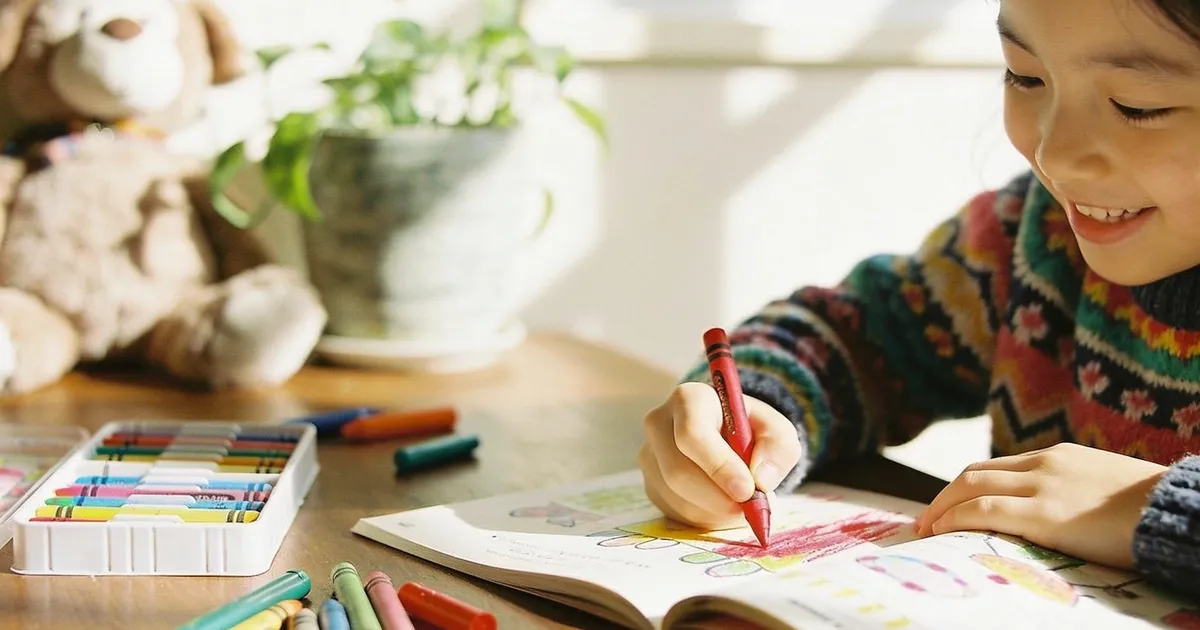

Coloring gives kids a safe space to experiment with color, pattern, and visual storytelling — the building blocks of creativity in children. According to Scholastic, coloring and drawing improve fine motor skills, encourage focus, and nurture creativity. When you make coloring a regular, low-pressure activity, you’re giving your child a canvas for artistic expression without the fear of a blank page.
How Does Coloring Build Creativity in Children?
Coloring builds creativity by letting kids make decisions. Every page is a series of choices — blue sky or purple? Stripes or dots? These small decisions add up to big creative confidence.
You’ll see it happen when a child picks unexpected colors for a familiar object. That’s not a mistake. It’s their imagination testing what’s possible. The more they practice this kind of flexible thinking, the more fluent they become at generating original ideas.
To stretch creative muscles, switch up the tools. Offer crayons one day, then markers, then watercolor pencils. Our cartoon style uses bold 2pt outlines that are perfect for bucket-fill colors, so kids can focus on mixing and matching rather than struggling with tiny details. This is where coloring creativity for kids grows fastest — when the page is easy to complete and the fun is in the color play.
What Are the Best Coloring Pages for Sparking Creativity?
The best pages for creative thinking are open-ended, not locked into a single “correct” color scheme. Fantasy themes, nature scenes, and geometric patterns all give children room to invent.
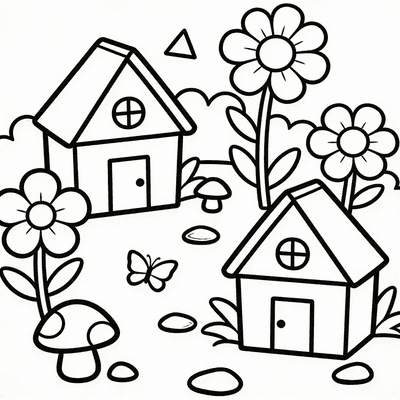
Look for pages with large shapes and flexible elements. For example, a fairy garden with tiny houses and flowers invites a child to decide what each flower looks like in their world. A mandala lets them choose a repeating color palette and practice pattern recognition. A butterfly with detailed wings, like the one below, becomes a playground for color blending.

You can also create your own open-ended pages. Use the AI coloring page creator to turn your child’s simple idea — “a dragon that breathes rainbow fire” — into a printable page. That alone links the act of coloring to original storytelling, which is a huge creativity booster.
How to Encourage Creative Coloring at Home
Set up a “what if” challenge. Hand your child a page of a familiar animal and ask, “What if this bear was a superhero?” or “What if this cat lived on the moon?” Then encourage them to color the scene to match the story. This turns a coloring page into a narrative prompt — and it’s an easy way to weave coloring creativity kids into a daily routine.
Another parent-tested tip: keep a “color recipe” journal. After coloring, ask your child to name the colors they mixed or invented. Write them down together — “sunset pink,” “dragon green,” “stormy blue.” This meta-cognitive step helps kids realize they are the creators of their own color world, not just followers of a pre-defined palette.
Free printable coloring pages and creative ideas, straight to your inbox.
No spam. Unsubscribe anytime.
On koloring.ai, you can quickly find fresh pages with the coloring challenges feature. New themes drop regularly, so there’s always a fresh creative nudge waiting.
What’s the Difference Between Coloring and Free Drawing for Creativity?
Coloring provides a creative framework, while free drawing is an open-ended creative act. Both are essential, but they build different skills.
Coloring is like a sandbox with boundaries. The outlines give a child permission to experiment without the pressure of creating a perfect picture from scratch. This is especially helpful for kids who freeze up when faced with a blank sheet of paper. Free drawing, on the other hand, builds the ability to generate entirely new images. According to research on the benefits of coloring for children's development, the two activities work best when they complement each other — coloring for color exploration and confidence, drawing for form and composition.
For a balanced creative diet, try alternating days. On Monday, offer a butterfly coloring page. On Tuesday, hand over a blank paper and ask them to draw their own butterfly. The coloring page acts as a visual reference, and the drawing lets them remix what they learned.

Frequently Asked Questions
Can coloring really boost a child’s imagination?
Yes — when kids make personalized color choices and add their own details, coloring becomes an imaginative act. The key is choosing pages that leave room for interpretation, like fantasy scenes or mandalas, rather than rigid, realistic illustrations. Encourage your child to name the scene, invent a backstory, or add extra elements with crayons after coloring.
Should I correct my child when they color outside the lines?
No. Coloring outside the lines is a normal part of motor development and creative exploration. Praise the effort and the color choices instead. If you want to build fine motor control, offer easy coloring pages for beginners with thick outlines and large shapes — but never correct their work. The goal is to keep the activity joyful and self-directed.
How can I use coloring pages to teach creative storytelling?
After your child finishes coloring, ask them to tell you a story about the scene. What happened right before this moment? What happens next? Write down their words and staple them to the page. Over time, you’ll have a book of illustrated stories — and you’ll have turned a simple coloring session into a powerful creative writing exercise.
Ready to turn coloring time into creativity time? Browse the free printable coloring pages and let your child pick a page that sparks a story — no signup needed.
Free printable coloring pages and creative ideas, straight to your inbox.
No spam. Unsubscribe anytime.