Coloring Page Styles Explained — Cartoon vs Mandala vs Kawaii
By Koloring Editorial Team
The six coloring page styles that matter most for kids are cartoon, realistic, kawaii, mandala, silhouette, and pattern-based. Each style serves a different developmental stage, from building grip strength in preschoolers to teaching persistence in older children. This guide explains exactly how to
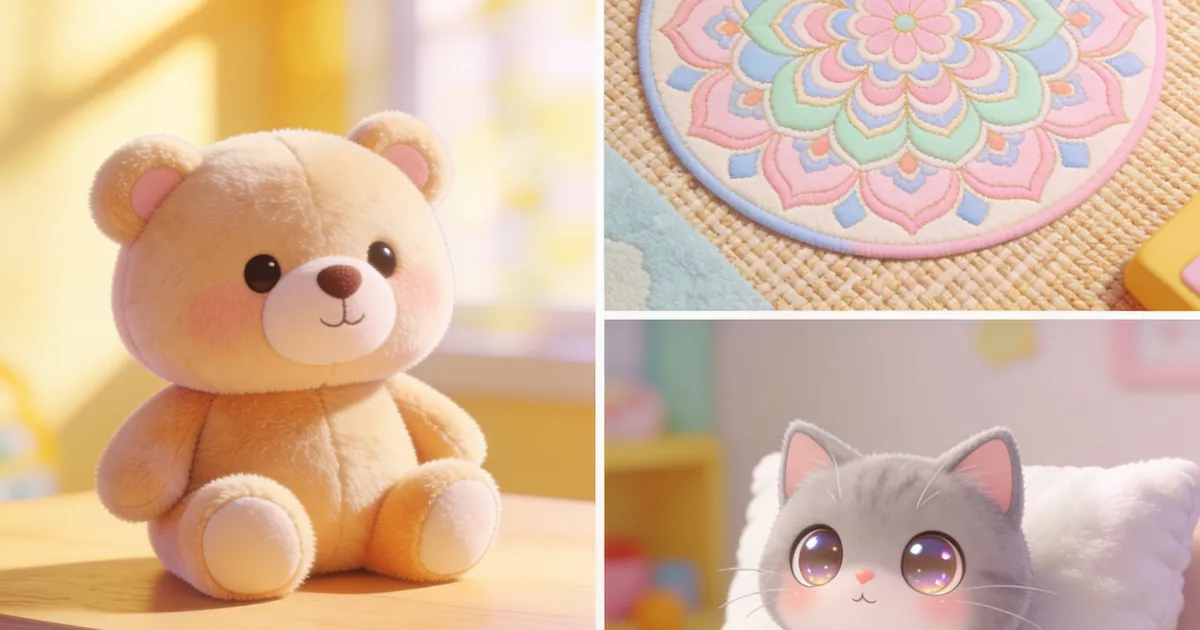

Coloring page styles determine how a child interacts with a page — from the line thickness they grip to the complexity that holds their attention. The right style can mean the difference between a frustrated three-year-old and one who colors for 20 focused minutes. Here's exactly how to match every style to a child's age, skill level, and mood.
What Are the Main Coloring Page Styles?
The six coloring page styles that matter most for kids are cartoon, realistic, kawaii, mandala, silhouette, and pattern-based. Each serves a different developmental stage.
Cartoon style uses bold 2pt outlines and simple shapes, making it the go-to for preschoolers. Our cartoon pages at koloring.ai are intentionally designed with these thick lines so kids can use the bucket-fill tool or crayons without constantly crossing borders. Realistic pages have finer details and shading gradients — they work better for ages 8 and up who have the fine motor control to stay inside 0.5pt lines.
Kawaii style sits in the sweet middle. Oversized heads, tiny features, and lots of open space mean a six-year-old can finish a page in one sitting without getting overwhelmed. Mandala and pattern styles are for older kids and adults who want repetition and rhythm, while silhouette pages let kids experiment with negative space — coloring the background instead of the subject.
How Do Coloring Page Styles Affect a Child's Development?
Line thickness directly impacts grip practice. When a child colors a cartoon page with 2pt outlines, the wide borders give them room to practice the tripod grip without demanding precision. A 2024 review by NAEYC found that structured art activities with thick outlines measurably improved pencil grasp in children ages 3-4.
Open-space styles like kawaii and simple cartoon let kids make big, confident strokes. This builds the shoulder stability that eventually translates to handwriting. Detailed styles — realistic animals, intricate mandalas — require the small finger movements that refine dexterity in older children.
A practical tip most guides miss: tape the page to the table for realistic or mandala styles. The page stays flat, and your child's non-dominant hand is free to stabilize the paper — a skill that transfers directly to writing. Many parents find that kids who resist handwriting practice will happily build the same muscles on a detailed dragon or fairy page.
Which Coloring Page Style Is Best for Beginners?
Cartoon style with bold outlines is the clear winner for beginners. Look for pages rated "easy" with an age range of 3-5. These have large, uncluttered spaces and subjects kids recognize — animals, cars, simple food.
For a first-ever coloring experience, print a cute cartoon car with a smiling face or a baby penguin standing on an ice block. Both have thick outlines and fewer than five major color zones. Start with crayons, not markers — the friction of crayon on paper gives more sensory feedback and builds hand strength faster.
Avoid realistic or mandala styles for beginners. The thin lines and small spaces demand a level of precision that can frustrate a child who's still learning to hold a crayon. If you want to introduce detail gradually, kawaii style is the bridge — it keeps the bold outlines but adds a few smaller decorative elements like rosy cheeks or tiny stars.
How Do You Choose Between Realistic and Cartoon Styles?
Match the style to the child's patience level, not just their age. Some seven-year-olds love the challenge of a beautiful monarch butterfly with detailed wings. Others need the instant gratification of a friendly cartoon T-rex playing with a ball.
Cartoon style works when you need a quick, satisfying activity — a 15-minute coloring session before dinner, or a page to occupy a restless child at a restaurant. The simple shapes mean completion is guaranteed, and completion builds confidence.
Realistic style is for longer sessions. A great white shark swimming in the deep or a majestic lion king with a full mane might take two or three sittings. This teaches persistence and the concept of returning to a project — skills that matter far beyond coloring.
One trick that works across both styles: let kids use the color online tool to test color combinations before committing on paper. They can experiment with a purple lion or a green shark, then print the version they love most.
What Are the Best Styles for Themed Coloring Sessions?
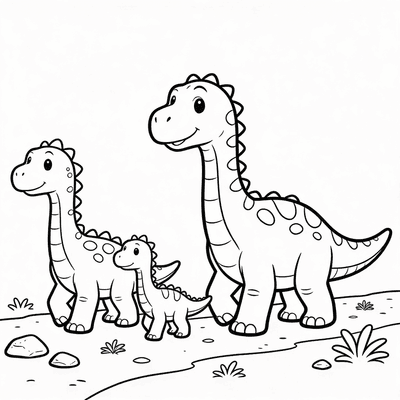
Themed coloring works best when you mix styles within a single topic. A dinosaur-themed afternoon might start with a cartoon dinosaur family walking together for warm-up, then move to a baby triceratops in a prehistoric garden for the main activity.
For a princess theme, pair a fairy tale princess in a ball gown with a princess castle with towers and roses. The figure page uses cartoon-kawaii hybrid lines, while the castle leans more detailed — one child might prefer the character, another the architecture.
Ocean themes benefit from silhouette style. An octopus playing with bubbles against a dark blue background teaches kids that coloring isn't just about filling shapes — it's about creating mood. This style also uses less ink if you're printing at home, since the subject stays white while only the background gets colored.
How Does Line Art Style Change the Coloring Experience?
Line art style — the thickness, continuity, and character of the outlines — defines how forgiving a page is. Bold, continuous outlines (2pt+) are forgiving. A child can color slightly outside the line and the image still reads clearly. This is why our cartoon style defaults to 2pt outlines.
Free printable coloring pages and creative ideas, straight to your inbox.
No spam. Unsubscribe anytime.
Thin, sketch-style lines (0.5pt or less) demand accuracy. They create beautiful results but punish mistakes. These appear in realistic animal pages and adult mandalas. The antlered stag silhouetted against a full moon uses varied line weights — thick on the outer contour, thin on interior details — to guide the eye while still challenging the hand.
Dashed or dotted outlines are a third option, especially useful for scissor-skill practice. Kids color, then cut along the dashed line. The full alphabet chart A to Z works well here — color each letter, then cut out the squares for a homemade alphabet wall.
Can Adults and Kids Use the Same Coloring Page Styles?
Yes, but the execution differs. A mandala that works for an adult might overwhelm a child, while a cartoon page that delights a five-year-old might bore a teenager. The key is complexity, not category.
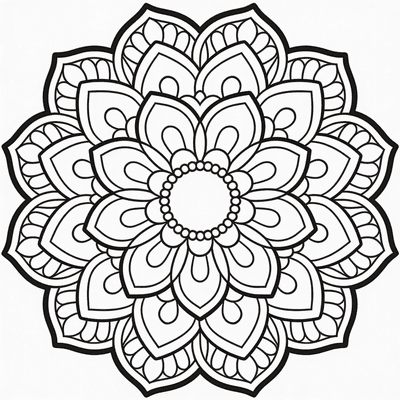
Adult-friendly styles include mandalas, realistic nature pages, and intricate patterns. The circular mandala with flower petals pattern and nature-inspired mandala with leaves and vines both have the repetition that adults find meditative, according to research on art therapy from the American Art Therapy Association.
For family coloring time, pick a theme everyone likes — animals, space, seasons — and print different styles within that theme. A parent colors a beautiful rose with detailed petals while a child works on a big sunflower with a ladybug on a leaf. Same subject, different complexity, shared activity.
How Do Digital Coloring Styles Compare to Printable Ones?
Digital coloring tools add features that paper can't replicate, but they change the sensory experience. The color online tool on koloring.ai offers bucket-fill, brush, and undo — features that let kids experiment without fear. A child who's hesitant to commit to a color on paper will happily try five different combinations digitally.
Digital coloring works especially well with cartoon and kawaii styles, where large enclosed areas make bucket-fill satisfying. The bold outlines in these styles prevent color bleed in digital formats, just as they prevent crayon overflow on paper.
Printable pages offer tactile feedback that screens can't match. The resistance of crayon on paper, the smell of fresh prints, the ability to hang finished work on the fridge — these matter for sensory development. A balanced approach uses both: digital for experimentation and quick sessions, printable for focused skill-building and display-worthy art. If you want to turn a digital creation into a physical one, the [Camera Trace](https://koloring.ai/Camera Trace/) feature lets kids trace their on-screen design onto paper.
How Do You Create Custom Coloring Page Styles?
Custom styles start with a source image — a photo, a drawing, or a text prompt — and an AI tool that converts it into line art. The AI coloring page creator on koloring.ai offers three paths: turn a photo into a coloring page, turn a kid's drawing into a coloring page, or generate from a text description.
The photo-to-page path is the most popular. Upload a family photo, and the tool extracts edges and converts gradients into clean line art. The result is a personalized coloring page in a realistic style — your child coloring a picture of your actual dog, not a generic cartoon. For more control over the process, learn how to turn any photo into a coloring page.
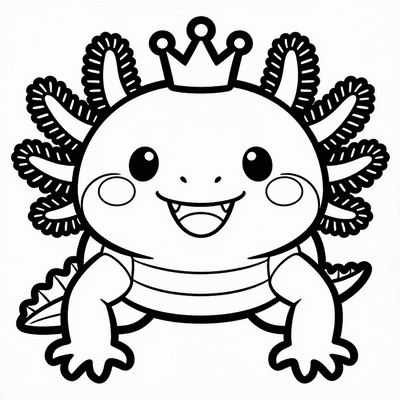
The text-to-page path lets you specify the style directly. Type "kawaii axolotl with a tiny crown" and the generator creates a page with the oversized features and bold outlines characteristic of kawaii style. This is how pages like the happy axolotl with a tiny crown are made — the style is baked into the prompt.
For a full guide to creating themed collections, see how to create personalized coloring books for kids.
Frequently Asked Questions
What's the difference between kawaii and cartoon coloring styles?
Kawaii style uses oversized heads, tiny facial features, and rounded shapes to create a "cute" aesthetic, while cartoon style focuses on bold outlines and simplified anatomy without the specific proportional exaggeration. Kawaii pages like the kawaii cat with rosy cheeks work well for kids who want a finished product that looks adorable regardless of color choices. Cartoon pages prioritize clarity and ease of coloring over a specific emotional tone.
Are mandala coloring pages only for adults?
No — simplified mandalas with larger spaces and fewer rings work well for children ages 8 and up. The repetition is calming, and the symmetry means kids can predict what comes next, which builds confidence. Start with a lotus mandala with detailed symmetrical design but only color the outer ring in one session. Full mandalas with intricate centers are better suited to teens and adults who have the patience for 30+ minute sessions.
How do I know if a coloring page style is too hard for my child?
Watch for avoidance behaviors — if a child repeatedly puts down the crayon, asks for help with every section, or rushes through just to finish, the style is likely too detailed. The right difficulty level keeps a child engaged for 15-20 minutes without frustration. If a bouquet of wildflowers in a vase causes overwhelm, drop back to a big sunflower with a ladybug on a leaf and try the detailed page again in a few months.
Browse all 400+ pages across 56 categories to find the right coloring page style for your child. Start with easy pages for ages 3-5 or jump straight to the AI coloring page creator to make a custom page in any style you need.
Free printable coloring pages and creative ideas, straight to your inbox.
No spam. Unsubscribe anytime.