Age-by-Age Guide to Coloring Development Milestones
By Koloring Editorial Team
Coloring milestones by age reveal predictable shifts in grip, control, and planning — from fist-held scribbles at age 2 to intricate shading at age 10. This guide walks you through each stage with practical tips, page recommendations, and ways to support your child’s development without pushing too
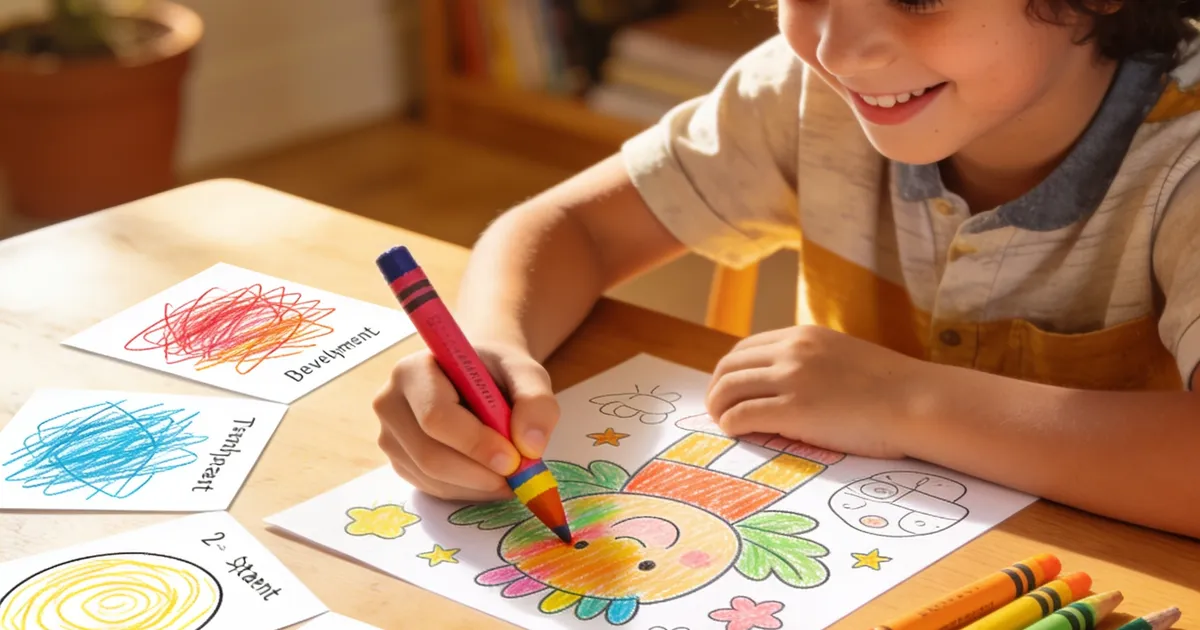

Coloring milestones by age show up as your child moves from random scribbles to controlled strokes — and those shifts tell you a lot about fine motor development, focus, and even pre-writing readiness. A 2024 review from Scholastic Parents notes that the switch to coloring inside the lines marks a leap in both motor skills and cognitive planning. Knowing what to expect at each stage helps you pick the right pages, tools, and encouragement — without pushing too hard.
What Are Coloring Milestones by Age?
Coloring milestones are the predictable changes in how a child holds a crayon, moves their hand, and approaches a page as they grow. They start with whole-arm scribbling, shift to wrist-controlled marks, then to finger-controlled lines, and eventually to deliberate coloring that stays inside boundaries.
You don’t need to drill these skills. They emerge naturally when kids have regular access to simple coloring materials and pages that match their current ability. Spotting a new milestone — like the first time your toddler switches from a fist grip to holding the crayon with their fingertips — tells you their hand muscles and hand-eye coordination are on track.
Tracking these shifts also helps you avoid frustration. A 2-year-old who colors all over the page isn’t “messy” — they’re right where they should be. Matching expectations to developmental stage is the single most useful thing you can do to keep coloring time happy.
Coloring Milestones for Toddlers (Ages 2–3): The Scribble Stage
At this stage, your child grips the crayon with a full fist and moves their whole arm from the shoulder. The result is big, sweeping scribbles that often go right off the page. That’s exactly what you want to see.
Around age 2, most toddlers can make a mark on paper intentionally. By 2.5, many start to imitate a vertical line or a circle after watching you do it. Their grip is still palmar (fist-like), and they’ll switch hands frequently. Coloring inside lines isn’t a reasonable expectation yet — the goal is simply mark-making and building hand strength.
One unique tip: Tape a large piece of paper to the floor or a low table. Standing or kneeling encourages the shoulder-to-hand connection better than sitting at a desk. Many parents find that floor coloring with chunky crayons gets a reluctant toddler engaged when a table setup doesn’t.
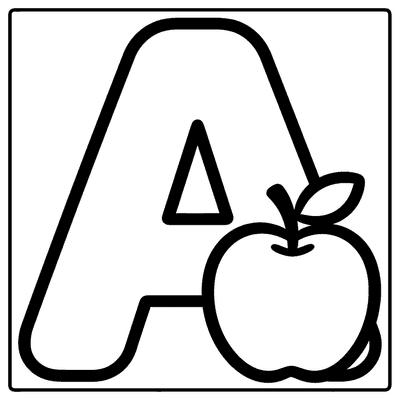
For this age, look for pages with thick outlines and big, simple shapes. Our easy-level pages with a 3–5 age tag use bold 2pt outlines that work well for bucket-fill apps and for little hands that aren’t precise yet. The Alphabet with Animals (A-Apple, B-Bear Style) page gives toddlers one large letter and one familiar animal per sheet — enough to color without overwhelm.
You’ll also want to check out best coloring pages for toddlers ages 2–4 for more picks that match this scribble stage.
Preschool Coloring Milestones (Ages 4–5): Grip Changes and Early Control
Between 4 and 5, a big shift happens: your child starts holding the crayon with their fingers instead of their fist. This tripod or modified tripod grip gives them more control, and you’ll see them trying to fill in shapes — though they’ll still go outside the lines a lot.
At this stage, kids can draw a recognizable person with a head, body, and limbs, and that same body awareness shows up in coloring. They begin to choose colors with intention (“the sun is yellow”) and may spend 5–10 minutes on a single page. Hand fatigue is normal because the small muscles in the hand are still developing.
One unique tip: Offer broken crayons. Short crayon pieces naturally encourage a tripod grip because there’s no room for a fist. It’s a zero-cost trick occupational therapists use, and it works especially well for kids who resist holding the crayon “the right way.”
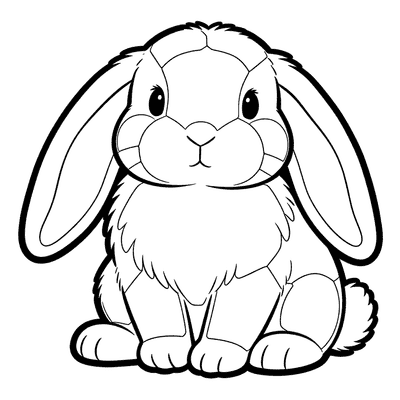
Preschoolers do well with easy-level pages that have clear, medium-sized areas. The Baby Bunny with Floppy Ears page offers a single large subject with gentle curves — forgiving enough for a child who’s still learning to stay inside the lines.
If your preschooler is ready for a little more detail, the Bubble Letters Practice Sheet reinforces letter recognition while giving them defined spaces to fill. This stage is also a great time to introduce screen-free activities for kids that build the same fine motor skills through play.
Kindergarten and Early Elementary (Ages 6–9): Precision and Planning
By age 6, most kids can color inside the lines with reasonable accuracy. Their grip is stable, their strokes are smaller and more controlled, and they start to plan their approach — coloring the background first, for example, or outlining a shape before filling it.
This is the stage where coloring starts to support school readiness in a direct way. The same fine motor control that lets a child stay inside a ¼-inch border is the control they need for handwriting, cutting with scissors, and tying shoes. Kids also begin to use pressure intentionally, pressing harder for dark areas and lighter for soft ones.
One unique tip: Give your child a single “challenge page” per week that’s slightly above their comfort level — a page with smaller sections or more intricate shapes. Let them work on it in short sessions over several days. This builds persistence and frustration tolerance without turning coloring into a chore.
Free printable coloring pages and creative ideas, straight to your inbox.
No spam. Unsubscribe anytime.
Medium-difficulty pages are ideal here. The Beautiful Monarch Butterfly with Detailed Wings has defined wing sections that reward careful color choices without being overwhelming.

For kids who love fantasy, the Fairy Sitting on a Mushroom in a Forest page offers medium-level detail that matches the 6–9 age range. At this stage, many parents also start using the color online tool as a mess-free option — the bucket-fill feature lets kids experiment with color combinations quickly, then print the result.
This age group benefits from a mix of structured coloring and free drawing. The benefits of coloring for children's development go well beyond motor skills, supporting emotional regulation and focus during a period when school demands ramp up.
Tweens and Beyond (Ages 10+): Style, Detail, and Self-Expression
After age 10, coloring becomes less about motor milestones and more about personal style. Kids develop preferences for certain color palettes, shading techniques, and subject matter. Many gravitate toward detailed mandalas, realistic animals, or intricate patterns that require sustained focus.
At this stage, the fine motor piece is largely set. What’s growing now is patience, planning, and the ability to use art as a self-regulation tool. Tweens and teens often color to decompress, and they’ll spend 30–60 minutes on a single page, layering colors and experimenting with blending.
One unique tip: Introduce colored pencils alongside crayons. Colored pencils let older kids practice pressure control and layering in ways crayons can’t, and the smaller tips give them access to tighter spaces on detailed pages. A set of 24 pencils with a sharpener is a low-cost upgrade that signals “this is a real hobby, not just a kid thing.”
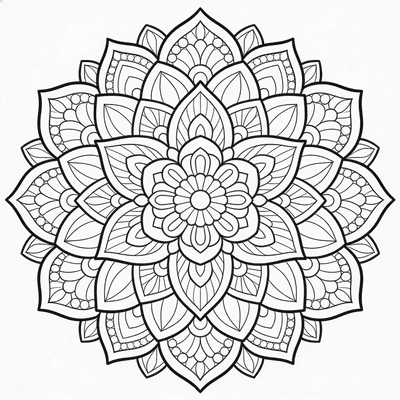
Adult-level and hard pages fit this group well. The Lotus Mandala with Detailed Symmetrical Design offers the kind of intricate pattern work that absorbs a tween’s attention for an hour or more.
The Fairy Holding a Glowing Lantern page, tagged for adults, has fine details around the lantern glow and wings that challenge older kids without frustrating them. If your tween wants to create their own designs, the AI coloring page creator turns their ideas into printable line art instantly — a big motivator for kids who’ve outgrown pre-made pages.
How Coloring Milestones Connect to Other Skills
Coloring doesn’t happen in isolation. The grip progression from fist to tripod is the same sequence kids need for using utensils, buttoning shirts, and eventually writing letters. When you see your child switching to a fingertip grip on a crayon, you’re also seeing readiness for a pencil.
Focus and task persistence follow a similar arc. A 3-year-old might color for 2–3 minutes before moving on. A 5-year-old can often stay with a page for 10 minutes. By 8, many kids will work on a single detailed page across multiple sessions. These attention spans map directly to what’s expected in a classroom.
Color recognition and planning also mature alongside coloring skills. Preschoolers name colors and choose them impulsively. Early elementary kids start grouping warm and cool colors. Tweens think in terms of contrast, shading, and mood. Each of these shifts reflects cognitive growth that shows up in other subjects — sorting in math, descriptive language in writing, and cause-and-effect thinking in science.
If you’re looking for tools that grow with your child, the printable coloring pages for preschool classrooms guide breaks down page selection by developmental stage, and the best crayons, markers & colored pencils for kids article helps you match tools to grip stage.
Frequently Asked Questions
At what age should a child start coloring inside the lines?
Most children start coloring inside the lines between ages 4 and 5, but full control typically comes around age 6. Before that, scribbling and going outside the lines is developmentally normal. According to Scholastic Parents, the ability to stay inside lines shows that a child’s fine motor skills and cognitive planning have matured enough for deliberate hand control — and rushing it doesn’t help.
What grip should my child use for coloring at each age?
Toddlers use a palmar (fist) grip. Around age 3–4, many shift to a digital pronate grip where the crayon is held with fingers pointing down. By 4–5, a tripod or modified tripod grip — thumb, index, and middle finger — becomes common. Don’t force a grip before the hand is ready; offering short crayon pieces and vertical drawing surfaces naturally encourages the transition.
How long should a child color each day?
There’s no fixed rule, but 10–15 minutes of daily coloring works well for most preschoolers and early elementary kids. Toddlers might engage for 2–5 minutes at a time, while older children often color for 20 minutes or more. The key is to follow your child’s interest — stop before they get frustrated, and keep coloring materials accessible so they can return on their own.
Browse the full collection of 400+ free coloring pages and let your child pick a page that matches where they are right now — no signup needed.
Free printable coloring pages and creative ideas, straight to your inbox.
No spam. Unsubscribe anytime.