How Coloring Builds Fine Motor Skills in Toddlers
Coloring builds fine motor skills by strengthening the small muscles in a child's hands, wrists, and fingers — the same muscles they'll need for writing, buttoning a shirt, and tying shoes. Just 10 15 minutes of daily coloring can measurably improve pencil grip and hand coordination in children as
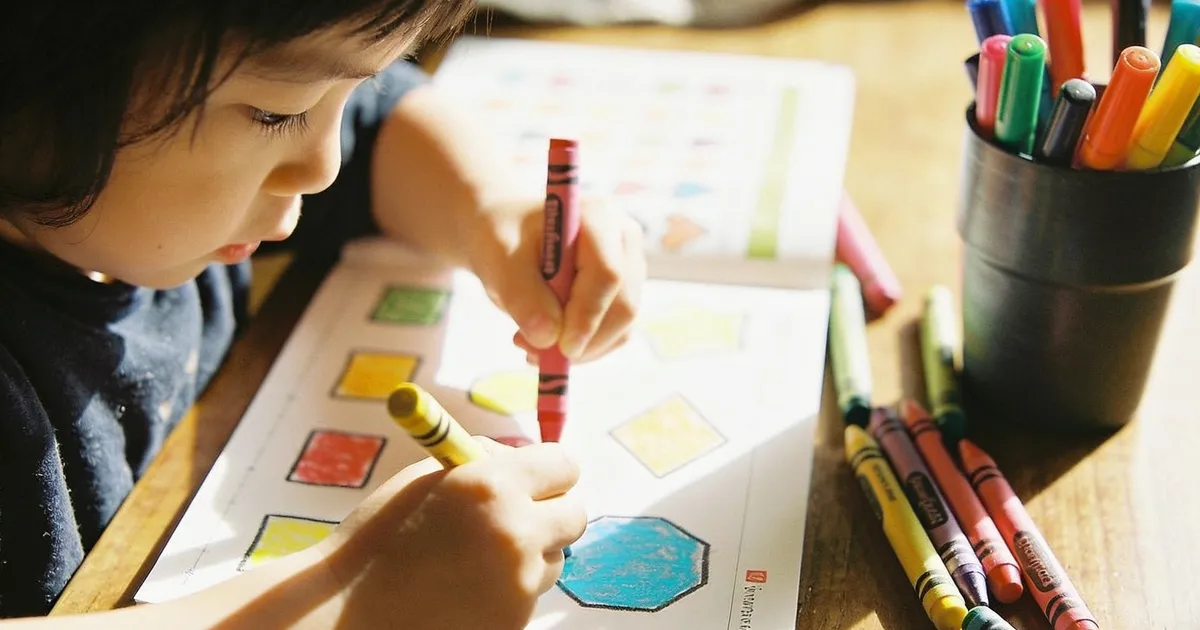

Coloring builds fine motor skills by strengthening the small muscles in a child's hands, wrists, and fingers — the same muscles they'll need for writing, buttoning a shirt, and tying shoes. Just 10-15 minutes of daily coloring can measurably improve pencil grip and hand coordination in children as young as two, according to NAEYC. The right approach turns a fun activity into purposeful skill-building without kids ever realizing they're "working."
What Fine Motor Skills Does Coloring Build?
Coloring targets three specific motor control areas at once: hand strength, the pincer grasp, and bilateral coordination. When a child grips a crayon, stabilizes the paper with the other hand, and moves within lines, all three skills fire simultaneously.
Hand strength develops every time a child presses down to fill a shape. Crayons and colored pencils provide the resistance muscles need — markers glide too easily and skip this benefit. According to Scholastic, coloring and drawing improves fine motor skills, encourages focus, and nurtures creativity, making it one of the most accessible pre-writing activities available.
The pincer grasp — the coordination of the thumb and index finger — gets practiced with every stroke inside a line. Pages with smaller shapes demand more precise thumb-and-finger control. A child who struggles to stay inside thick outlines today will naturally seek finer details six months from now.
Bilateral coordination (using both hands together) happens when one hand colors while the other holds the paper steady. It sounds basic, but for a three-year-old, coordinating both sides of the body while completing a task is a major neurological milestone.
Tip most guides skip: Tape a coloring page to the wall or fridge at eye level. Coloring on a vertical surface engages the shoulder, arm, and wrist muscles in ways flat-table coloring cannot. Occupational therapists use this trick to build upper-body stability before formal handwriting begins. Even five minutes a day strengthens the muscle groups that later prevent "tired writer" complaints in first grade.
For children ready to move beyond basic shapes, pages like this Beautiful Monarch Butterfly with Detailed Wings introduce finer lines and smaller sections — a natural step up that challenges developing finger control.

What Age Should You Start Fine Motor Skills Coloring?
Toddlers are ready for their first coloring pages by 18-24 months, but the format matters more than the age. A two-year-old needs large simple shapes, ultra-thick outlines, and only 5-7 minutes of engagement before hands fatigue.
The best starter coloring pages for fine motor development use bold outlines (2pt or thicker) with open spaces at least 3-4 inches wide. At koloring.ai, easy-level pages rated for ages 3-5 use exactly this format — thick borders that contain color even when hand control is still shaky. Our cartoon style uses bold 2pt outlines that work beautifully with bucket-fill tools and crayons alike.
Start with crayons, not markers. Crayons require more pressure, naturally strengthening the intrinsic hand muscles. Broken crayon bits (about one inch long) force a proper three-finger grip — a trick many preschool teachers swear by. When a child can't wrap their whole fist around the crayon, the pincer grasp emerges on its own.
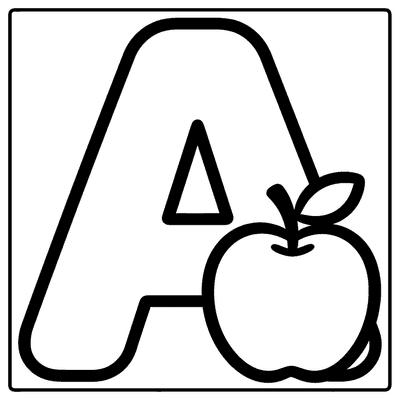
The Alphabet with Animals (A-Apple, B-Bear Style) page gives toddlers open letter shapes and familiar animals, pairing letter recognition with motor practice in one activity.
For more guidance on choosing pages by age, read through the Best Coloring Pages for Toddlers Ages 2-4 (2026 Guide).
How to Turn Coloring Into Fine Motor Skills Exercises
Intentional tweaks transform casual coloring into targeted motor skill training. The three techniques below work with any coloring page and require zero extra materials.
The Tripod Grip Hack. Break crayons into short pieces (1–1.5 inches). A small crayon leaves no room for a fist grip — the child must use thumb, index, and middle finger together. This is the same tripod grip used for holding a pencil. One week of "short crayon only" coloring often produces a visible grip change.
Bubble Tracing Before Coloring. Have your child trace the outline of a shape with their finger before picking up a crayon. This builds a mental map of the boundary, which translates into better line control once the color goes down. Finger tracing works especially well with medium-difficulty pages that have slightly more complex contours. The Bubble Letters Practice Sheet is ideal for this technique — kids trace puffy letter outlines with a finger, then fill them in with color.
Color-by-Number for Precision. Numbered sections force a child to stop and start within small, specific zones. That stop-start motion develops the fine-motor "braking system" — the ability to stop a stroke exactly at the intended point. This skill transfers directly to letter formation when handwriting begins.
Many parents find that alternating between standard coloring and these focused exercises over a week keeps things fresh. A Monday coloring session might focus on finger tracing, Wednesday on the short-crayon grip, and Friday on a color-by-number challenge. For a deeper look at how all this fits into broader child development, see the Benefits of Coloring for Children's Development guide.
Free printable coloring pages and creative ideas, straight to your inbox.
No spam. Unsubscribe anytime.
To expand beyond coloring, the 10 Screen-Free Activities for Kids (Including Coloring) list includes playdough, threading beads, and other fine-motor boosters that pair well with a coloring routine.
Can Digital Coloring Help Fine Motor Development Too?
Digital coloring builds a different but complementary skill set. Dragging a finger across a tablet screen doesn't build the same hand strength as pressing crayon to paper — but it develops the visual-motor coordination needed for tracking a moving point and stopping it precisely.
The color online tool at koloring.ai requires a child to tap small areas accurately and drag within boundaries using a finger or stylus. This trains the same stop-and-start control that paper coloring develops, just through a different sensory channel. For children who resist paper activities, digital coloring can be the bridge that builds interest in fine-motor tasks.
A stylus adds more benefit than a fingertip. A chunky stylus mimics the diameter of a beginner pencil and reinforces a proper grip even on a screen. Alternating paper and digital sessions (say, paper coloring in the morning, digital in the afternoon) prevents hand fatigue while keeping the variety high enough that kids stay engaged.
For an even more blended approach, the Camera Trace & Sketch feature lets children trace a projected image onto actual paper — combining digital guidance with the physical resistance of real coloring materials. The tracing motion is essentially handwriting practice disguised as play. A step-by-step walkthrough is available in How to Use Camera Trace & Sketch to Trace Coloring Pages on Paper.
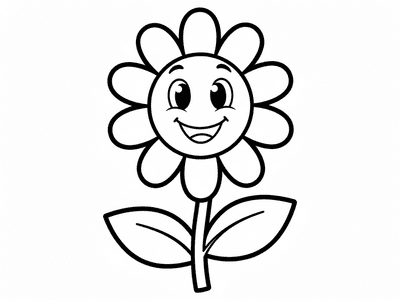
The Simple Daisy with a Smiling Face page works well on both screen and paper — the bold outlines are forgiving for digital tap-to-fill, while the open petals give a young child lots of room to scribble with real crayons.
If your child has a favorite character or photo, the AI coloring page creator can generate custom pages that hold attention longer — and a child who colors for 20 minutes instead of five is getting four times the fine-motor exercise without any extra convincing.
Choosing the Right Coloring Tools for Skill Development
The tools matter nearly as much as the technique. Not every crayon or marker supports fine motor growth equally, and some popular options actually work against it.
Crayons (best overall): Triangular crayons prevent rolling and naturally position fingers into the tripod grip. Standard round crayons work too, especially when snapped short. The friction crayons create against paper builds hand strength.
Colored pencils (best for 5+): The thinner barrel and sharper point demand more precision. Pencils work best once a child can hold a standard writing tool comfortably — usually around kindergarten age.
Markers (best for engagement, not strength): Markers glide without resistance, skipping the muscle-building that crayons provide. Reserve markers for reward sessions or for the color online digital tool, where the motor learning comes from precision tapping rather than pressure.
Chunky styluses (for digital): A stylus with a wide grip barrel offers the closest screen-based experience to a real crayon or pencil. For young children using tablets, a stylus is always better than a fingertip.
For a side-by-side comparison of physical supplies, Best Crayons, Markers & Colored Pencils for Kids (2026) breaks down brand recommendations by age and grip style.
Teachers setting up activity stations will find practical setup ideas in Printable Coloring Pages for Preschool Classrooms, including how to rotate pages across a week to maintain interest and challenge different skill levels.
Frequently Asked Questions
Can toddlers use coloring pages for fine motor practice?
Yes — toddlers as young as 18 months can begin with coloring pages designed specifically for little hands. Look for easy-level pages with thick outlines (2pt or heavier) and large open shapes that are 3-4 inches across. At this stage, expect scribbling entirely outside the lines; the motor benefit comes from gripping the crayon and moving it against resistance, not from staying inside boundaries. Short sessions of 5-7 minutes prevent frustration and hand fatigue.
How long should a child color to improve fine motor skills?
Ten to fifteen minutes of daily coloring produces measurable improvements in pencil grip and hand control for most preschoolers. Consistency matters far more than session length — five minutes every day outperforms one 30-minute weekend session. Watch for fatigue signs like a loosening grip or switching hands repeatedly, and end the session before frustration sets in. As hand endurance builds, lengths will naturally stretch to 20+ minutes.
What kinds of coloring pages are best for building hand strength?
Pages with bold outlines, medium-to-large open areas, and simple contours work best for building hand strength in young children. Avoid pages with tiny intricate patterns for beginners — those demand precision that undeveloped hands cannot yet deliver, leading to discouraged grip. For children 6 and up, mandala pages.
Free printable coloring pages and creative ideas, straight to your inbox.
No spam. Unsubscribe anytime.